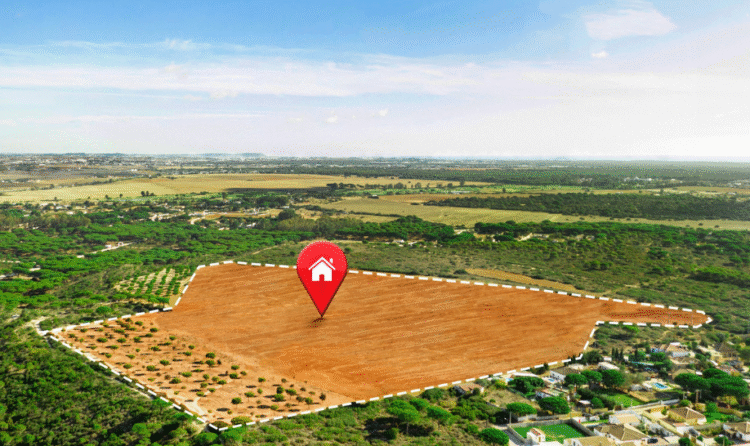

Choosing the right type of property is one of the most important decisions a homebuyer or investor will make. Today, plotted developments and ready-to-move (RTM) homes are two of the most in-demand real estate options, each offering distinct benefits for lifestyle, flexibility, and investment returns. The choice depends on personal priorities — whether you want full control over construction and customization or want the convenience of immediate living with guaranteed structure and amenities.
Plotted developments are gaining strong momentum, especially in emerging growth corridors. They allow buyers to design a home according to their lifestyle preferences and budget. With land typically appreciating faster than built structures, plots offer strong long-term value for investors who are not in a rush to move in. Meanwhile, ready-to-move homes provide instant usability. There’s no construction waiting period, and buyers can physically inspect what they’re purchasing — reducing uncertainty and making it a safe, hassle-free option for end users.
Plotted Development — Advantages at a Glance
| Benefit | Why Buyers Prefer It |
|---|---|
| Customization | Build a home tailored to personal needs and style |
| Higher appreciation potential | Land value typically rises faster |
| Flexible construction timeline | Build immediately or wait for future finances |
| Lower initial investment | Pay only for the plot first |
| More privacy and independent living | Ideal for families |
Plots are highly attractive for long-term investors and NRIs who view real estate as a future-building asset. As surrounding infrastructure develops — like highways, airports, schools, and tech hubs — the value of land in those areas multiplies significantly.
Ready-to-Move Homes — Strengths for Immediate Buyers
| Advantage | Why It Works Well |
|---|---|
| Immediate possession | No construction delays |
| Clarity of what you buy | Inspect quality, layout, space, and surroundings |
| No rental burden | Move in instantly and stop paying rent |
| Bank loan & taxation benefits | Easier documentation and financing |
| Faster rental income | Ideal for investors seeking monthly returns |
RTM homes reduce the stress of managing construction, approvals, and planning. This makes them a ideal for families relocating for work, senior citizens, and buyers who prioritize convenience and certainty over customization.
Both options come with unique strengths, and the right choice depends on individual goals. For someone who values creativity, privacy, and appreciation potential — and doesn’t mind waiting — plotted development is a powerful investment choice. For buyers seeking hassle-free ownership, assured infrastructure, and quick move-in benefits, ready-to-move homes provide immediate lifestyle comfort.
Hybrid buyers — those who want investment growth now and a future home later — often start with a plot and build when finances or life circumstances align. On the other hand, rental-focused investors may prefer RTM homes in prime localities for steady passive income.
Which One Should You Choose? — Quick Comparison
| Buyer Type | Better Choice | Reason |
|---|---|---|
| Investors seeking strong future appreciation | Plot | Land value grows faster over time |
| Families planning future home construction | Plot | Flexibility + design control |
| Immediate relocators | RTM Home | Quick possession & zero construction stress |
| Rental income seekers | RTM Home | Start earning from Day 1 |
| Design-focused owners | Plot | Full customization rights |
| Buyers with budget limitations now | Plot | Lower initial cost |
Both plotted developments and ready-to-move homes offer meaningful advantages — the key is to align your choice with your financial plan, lifestyle needs, and long-term investment goals. Plots offer control, privacy, and strong appreciation, making them ideal for wealth creation. Ready-to-move homes deliver convenience, immediate living, and rental income from day one. No matter which you choose, real estate remains one of the most secure and rewarding investments you can make — especially when guided by the right location, infrastructure development, and expert advice.