
Buying a plot is more than just a financial investment — it’s a foundation for your future home, happiness, and growth. In India, many homebuyers look beyond budget and location, and also consider Vastu Shastra, the ancient science of architecture that aligns land with natural energies. Choosing a Vastu-compliant plot is believed to attract prosperity, peace, and long-term stability for the families who live there.
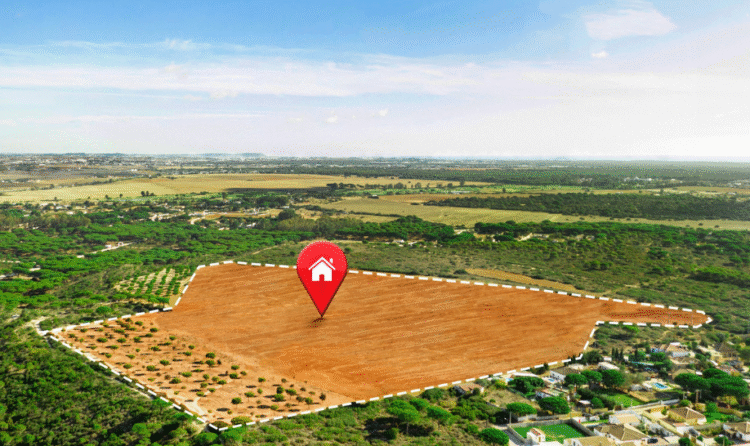
One of the first aspects Vastu emphasizes is the shape of the land. Regular shapes like square and rectangle are considered highly favorable, as they signify balance and consistent energy flow. Irregular or sharply triangular plots may cause energy imbalance, leading to stress or financial instability. Along with shape, the direction the plot faces plays a key role. North and east-facing plots are traditionally preferred, as these directions are associated with growth, health, and positive vibrations. Northeast-facing land is often considered ideal for residential development. West and south-facing plots can also be used, but they require proper Vastu planning to avoid any negative impact.
The natural slope and elevation of the land also carry significance. A plot that is slightly elevated in the south or west and slopes gently towards the north or east is said to encourage the smooth flow of positive energy into the property. If the slope is reversed — downward from north to south or east to west — it is often considered inauspicious, as it may lead to financial or emotional setbacks over time.
Surroundings play an equally important role in Vastu. A plot located amidst greenery, open spaces, clean surroundings, and natural water sources tends to attract healthier and happier energy. It is ideal to avoid plots near graveyards, garbage dumps, or industrial factories that produce pollution or noise. Similarly, road alignment must be observed carefully. Plots struck directly by a road coming towards them — especially from the south — are best avoided. Corner plots with roads on the north and east sides, however, are considered very promising investments due to better ventilation and access.
The quality of the soil should not be overlooked. Fertile land with pleasant colors such as light brown, red, or yellow is considered positive, while dark or clay-rich soil may represent stagnant energy. It is also wise to learn the land’s past usage. A plot with a peaceful, constructive history is always better than land associated with disputes, waste, or demolition.
Most importantly, trust your instincts. Sometimes your mind and body can sense what the eyes may not see. When you visit a plot, take a moment to breathe and feel the atmosphere. If the place feels calm and inviting, it may be a sign of good energy that aligns with Vastu principles.
Selecting the right plot is a major step toward building a happy and prosperous life. By keeping Vastu tips in mind — along with legal checks, approvals, and future development potential — you ensure that the foundation of your dream home is truly strong. A Vastu-friendly plot doesn’t just enhance physical comfort; it supports emotional balance, financial growth, and overall well-being for generations to come.